
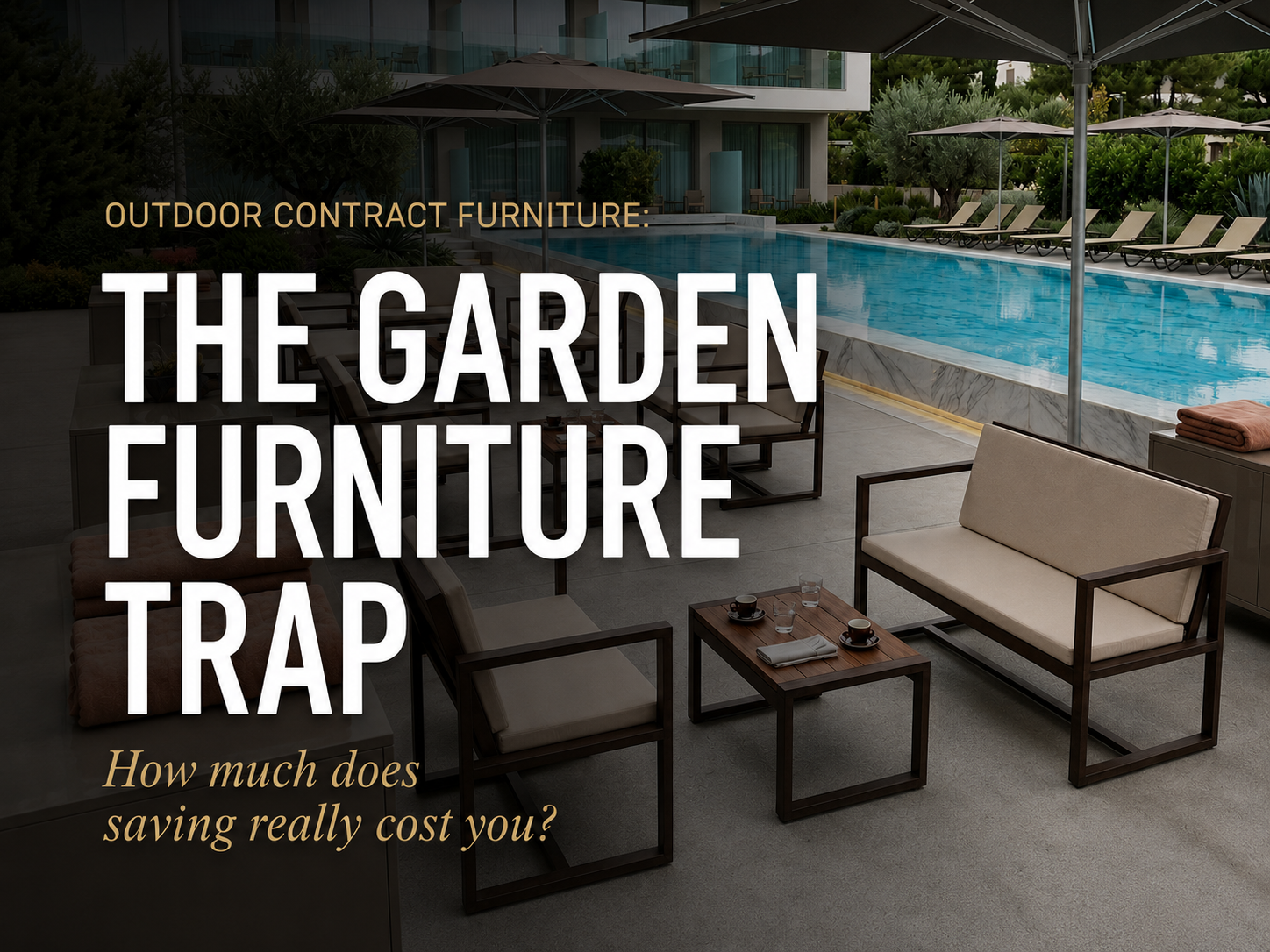
Anyone managing a hotel, a restaurant, or a beach resort knows an absolute truth: the beginning of the season is a whirlwind. Between training staff, testing menus, and dealing with bureaucratic deadlines, the last thing you need is to discover that your outdoor tables are wobbly, your chairs have faded under last year’s sun, or worse, that a guest risked falling because a sunbed buckled.
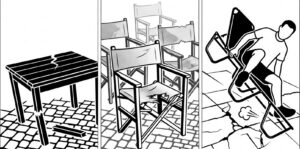
When furnishing the outdoor spaces of your business, the temptation to trim the initial budget by purchasing products intended for the residential market (those from department stores or for private homes) is strong. But a villa’s private garden is not the outdoor seating area of a venue serving a hundred covers a night. Choosing the wrong furniture is not a saving: it is the beginning of a hidden cost that risks weighing on your balance sheet every single year.
1. The 3 “Headaches” Cheap Furniture Gives You at the End of the Season
If you have already experienced at least a couple of commercial seasons, you are certainly familiar with these scenes:
-
The “old and neglected” effect after just three months: Fabrics that fade under the August sun and get covered in sunscreen or chlorine stains that just won’t come out. For arriving guests, the visual impact is lethal: a neglected venue, and a low-level perception of service.
-
Staff losing time (and health): Heavy chairs to move every night at closing, or tables requiring continuous shims under their legs to keep wine glasses from spilling. In the heat of service, every minute lost by your staff dealing with uncomfortable or unpractical furniture is a net cost.
-
Hardware “spitting” rust: That millimeter of untreated iron which, upon contact with salt fog or night humidity, begins to rust, permanently staining your outdoor flooring or pool deck.
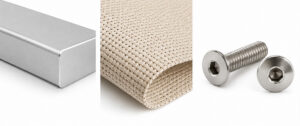
The three details that save your budget:
1. anodized aluminum,
2. high-tenacity fabric, and
3. stainless steel hardware.
2. What You (Really) Need to Look for in a Quote to Avoid Getting Ripped Off
When evaluating options for your outdoor area, don’t just stop at the final price and the aesthetics of the catalog picture. To understand if that furniture will survive your season or if you will have to repurchase it in two years, there are three technical details you must demand from your supplier:
-
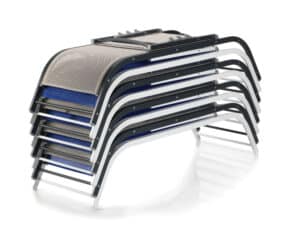
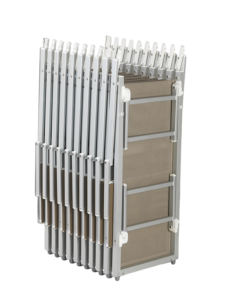
Ask if the aluminum is anodized: Lightweight aluminum is perfect so your staff won’t break their backs at the end of a shift to stack the chairs. But if it is not anodized and powder-coated with specific polyester finishes, salt fog and chlorine will corrode it in no time, peeling the paint.
-
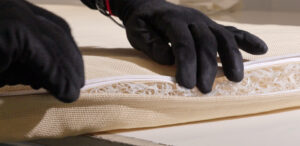
Touch and feel the consistency of the fabrics: A cheap fabric sags and bags after fifty people have sat on it. Demand high-tenacity technical fabrics (PVC mesh), which are water-repellent and anti-mold. This means if a coffee spills, a simple wipe with a sponge is enough, and the table or chair is ready for the next guest, completely stain-free.
-
Demand exclusively STAINLESS STEEL hardware (AISI 316): It might seem like a manufacturing detail, but it makes all the difference for you. Stainless steel never rusts, protecting your precious flooring from indelible marks.
Operational Sustainability: Furniture That Works for You (and Not the Other Way Around)
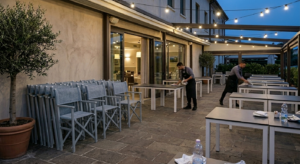
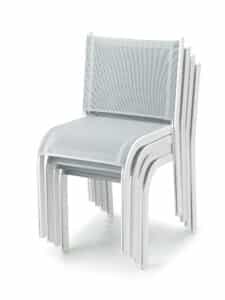
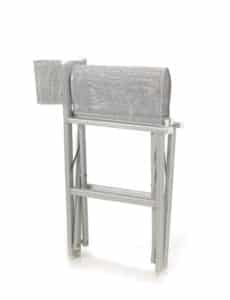
Good professional outdoor furniture must not only be “beautiful.” It must be an efficient working tool for your business. It must allow your staff to clean tables in thirty seconds between shifts. It must be quickly stackable for nightly closing, taking up the least possible space in your storage during winter storage. And, above all, it must give you the certainty that every spring, when reopening your doors, a quick pressure wash will be enough to have a perfect venue, identical to how you left it.
Conclusions: Protect Your Time and Your Profits
Buying cheap furniture means accepting the risk of ongoing maintenance, handling customer complaints, and replacing broken pieces in mid-July—at the peak of the working season, when finding a quick replacement is virtually impossible. Investing in an outdoor area engineered for the contract world is not a luxury: it is a choice for operational peace of mind. It means making the investment just once, amortizing it over the years, and focusing exclusively on what you do best: welcoming your guests and growing your revenues.
REQUEST A CUSTOMIZED QUOTE: SEND A REQUEST